Understanding how often to empty your septic tank is essential for maintaining its efficiency and longevity. You might think every few years is enough, but several factors can influence that timeline. Household size, water usage, and even the type of waste you’re disposing of can alter your pumping schedule markedly. Curious about what specific considerations apply to your situation? Let’s explore the guidelines and signs that indicate it’s time for a pump.
Understanding Your Septic System
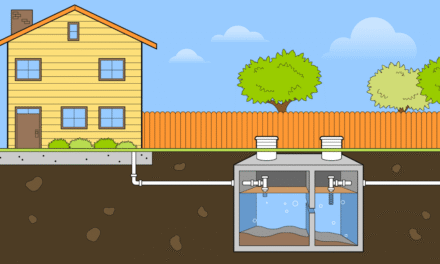
Understanding your septic system is vital for maintaining its efficiency and longevity. Your system consists of a tank and a drain field, working together to treat wastewater.
When you flush the toilet or drain the sink, waste enters the tank, where solids settle at the bottom, forming sludge, while lighter materials like grease float to the top as scum. Bacteria break down the waste, allowing the liquid to flow out to the drain field for further treatment.
It’s important to know that regular maintenance, such as pumping the tank, prevents backups and costly repairs. Keep an eye on signs like slow drains or foul smells, and remember, being proactive can save you time and money in the long run.
Factors Affecting Pumping Frequency
Several key factors influence how often you should pump your septic tank.
First, consider the size of your tank and household; larger families produce more wastewater, leading to quicker buildup.
Next, think about the type of waste your system handles. If you frequently flush non-biodegradable items or use excessive amounts of harsh chemicals, you might need to pump more often.
Additionally, the age of your system matters; older tanks may require more frequent maintenance.
Seasonal usage also plays a role; if you use your property primarily during certain months, you might need to adjust your schedule accordingly.
Recommended Pumping Schedule
To maintain a healthy septic system, it’s important to follow a recommended pumping schedule based on your household’s specific needs.
Generally, you should pump your septic tank every three to five years. If you have a larger household or use more water-intensive appliances, consider pumping every two to three years. Households with a garbage disposal may need to pump even more frequently.
It’s also wise to consult with a septic service professional, as they can evaluate your system and provide tailored advice. Keeping a record of your pumping dates can help you stay on track.
Regular maintenance not only prevents costly repairs but also guarantees your septic system runs efficiently, protecting your home and the environment.
Signs That Your Septic Tank Needs Pumping
If you notice unusual signs around your property, it might be time to check your septic tank.
Keep an eye out for slow-draining fixtures; if your sinks, showers, or toilets are sluggish, that could indicate a problem. Foul odors near your drain field or inside your home are also red flags—those smells signal that waste may be backing up.
Additionally, look for wet spots or lush patches in your yard, which can suggest leaks or overflows. If you hear gurgling sounds in your plumbing, it’s another hint that your septic system is struggling.
Don’t wait for more serious issues; addressing these signs promptly can save you from costly repairs down the line. Regular maintenance is key to keeping your system functioning smoothly.
Consequences of Neglecting Pumping
Ignoring the need to pump your septic tank can lead to serious consequences for both your system and your property. When you neglect this essential maintenance, solid waste accumulates, reducing the tank’s capacity and increasing the risk of backups.
This can result in sewage overflowing into your home or yard, creating unsanitary conditions and costly repairs. Additionally, untreated waste can seep into the groundwater, posing health risks to your family and neighbors. You might also face hefty fines for environmental violations.
Over time, neglecting your septic system can lead to more severe issues, including costly replacements. Regular pumping not only keeps your system functioning smoothly but also protects your property and public health.
Don’t wait—stay proactive!
How to Determine Your Tank Size
Determining the right size of your septic tank is essential for its efficiency and longevity, especially since an undersized tank can lead to frequent backups and costly repairs.
To find the appropriate size, consider the number of bedrooms in your home, as this typically correlates with the number of occupants. A general guideline is to allow 1,000 gallons for a two-bedroom house, adding 250 gallons for each additional bedroom.
You should also factor in your household’s average water usage, which can vary depending on your habits and appliances.
If you’re uncertain, consulting with a septic professional can provide valuable insights tailored to your specific needs, ensuring your system operates smoothly for years to come.
Assessing Household Water Usage
Understanding your household’s water usage is essential for maintaining an efficient septic system. Start by tracking how much water your family consumes daily. Common sources include showers, laundry, dishwashing, and outdoor activities. You can estimate your usage by checking your water bill or simply observing your habits over a week.
Consider the number of people in your home; the more occupants, the higher the water flow. Are you using water-saving fixtures? These can considerably reduce water usage, benefiting both your septic system and your wallet.
Lastly, be mindful of seasonal changes. Water usage may spike during summer or holidays. Regularly evaluating your water habits helps you anticipate when your septic tank might need pumping, ensuring it operates smoothly.
Professional vs. DIY Pumping
Once you’ve got a handle on your household water usage, you might wonder whether to tackle septic tank pumping yourself or hire a professional.
Doing it yourself can save money, but it comes with risks. You’ll need the right tools, knowledge of proper techniques, and a strong stomach. If you’re not comfortable dealing with the mess, hiring a professional is a wise choice.
They’ll have the experience to guarantee everything’s done correctly and safely, reducing the chance of costly mistakes. Plus, professionals can inspect your system for potential issues.
Ultimately, consider your comfort level and the complexity of the job before deciding which route to take. Either way, make sure it’s done regularly for a healthy septic system.
Maintenance Tips for a Healthy Septic System
To keep your septic system running smoothly, regular maintenance is essential. By following a few simple tips, you can extend the life of your system and prevent costly repairs.
Here are some practical steps to guarantee your septic system stays healthy:
- Flush wisely: Only flush toilet paper and human waste; avoid sending chemicals, wipes, or other non-biodegradable items down the toilet.
- Monitor water usage: Be mindful of your water consumption. Fix leaks and spread out laundry loads to prevent overwhelming the system.
- Schedule inspections: Have your system inspected regularly by a professional to catch potential issues early and keep everything in check.
Local Regulations and Guidelines
Local regulations and guidelines play an essential role in managing septic systems effectively, ensuring both environmental protection and public health.
You should familiarize yourself with your local rules regarding septic tank maintenance and pumping schedules. These regulations can vary considerably by state or municipality, often outlining specific pumping intervals, installation standards, and inspection requirements.
Failing to comply can lead to costly fines or system failures. Check with your local health department or environmental agency for precise guidelines applicable to your area.
Staying informed not only helps you maintain your system but also protects your home and the surrounding environment.