If you rely on a septic system for wastewater management, understanding how it works is essential. A septic tank handles everything from solid waste to liquid effluent, ensuring your home stays clean and functional. But what happens inside the tank, and how does the entire system work together? Knowing these details can help you maintain your system effectively and avoid costly repairs. Let’s break it down step by step.
The Basics of Septic Systems
Septic systems are vital for managing wastewater in areas without access to centralized sewage treatment. They consist of a septic tank and a drain field, designed to treat and disperse household wastewater.
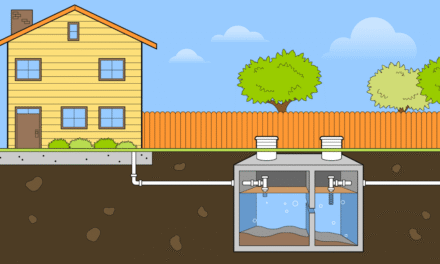
When you flush the toilet or run water down the sink, waste flows into the septic tank, where solids settle at the bottom, forming sludge. The liquid effluent then moves to the drain field, where it percolates through soil, which further filters and cleans the water before it returns to the groundwater.
Regular maintenance, like pumping the tank every few years, is important to prevent backups and guarantee your system functions properly. Understanding these basics can help you maintain your septic system effectively.
The Septic Tank: Structure and Function
At the heart of a septic system lies the tank, an essential component designed to manage and treat household wastewater. This underground structure plays a critical role in separating solids and liquids while allowing for initial decomposition.
Understanding its key features helps you appreciate its functionality:
- Material: Typically made from concrete, fiberglass, or plastic for durability.
- Inlet and Outlet Pipes: Direct wastewater in and treated effluent out.
- Baffles: Prevent scum and sludge from escaping into the drain field.
- Access Ports: Allow for inspection and maintenance.
- Sizing: Capacity varies based on household size and water usage.
Wastewater Treatment Process
The wastewater treatment process is essential for maintaining a healthy environment and protecting water quality.
In your septic system, wastewater flows into the tank, where solids settle to the bottom, forming sludge. This separation allows lighter materials, like grease, to float to the top, creating scum. Beneficial bacteria break down organic matter in the sludge, reducing harmful pathogens.
Over time, the liquid effluent, which is now partially treated, exits the tank and moves toward the drain field. There, it undergoes further treatment through soil filtration and natural processes. This guarantees any remaining contaminants are reduced before the water reenters the groundwater supply.
Regular maintenance and inspections help keep this process efficient, safeguarding both your health and the surrounding ecosystem.
The Drain Field: Final Filtration and Absorption
How does the drain field guarantee that the treated wastewater is safely absorbed back into the environment?
The drain field acts as the final stage of wastewater treatment, allowing for effective filtration and absorption. Once the effluent leaves the septic tank, it flows into the drain field where it permeates the soil.
This natural process guarantees harmful contaminants are removed before the water reenters the groundwater system.
Key functions of the drain field include:
- Soil filtration: Traps pollutants and pathogens.
- Microbial action: Beneficial bacteria further break down contaminants.
- Water absorption: Allows treated water to seep into the soil.
- Nutrient recycling: Returns nutrients to the ecosystem.
- Natural drainage: Prevents saturation and promotes healthy soil.
Maintenance and Care for Your Septic System
Maintaining your septic system is essential for its longevity and effective operation, as neglect can lead to costly repairs and environmental issues.
Start by scheduling regular pump-outs every three to five years, depending on your usage. Be mindful of what goes down the drain; avoid flushing non-biodegradable items and limit the use of harsh chemicals, which can disrupt the bacterial balance.
Regularly inspect your drain field for signs of standing water or unusual odors, as these may indicate problems. Keep heavy vehicles off the drain field and make certain that vegetation doesn’t obstruct the system.
Finally, educate your family about septic care to promote responsible practices. With proper maintenance, your system will function efficiently for years to come.