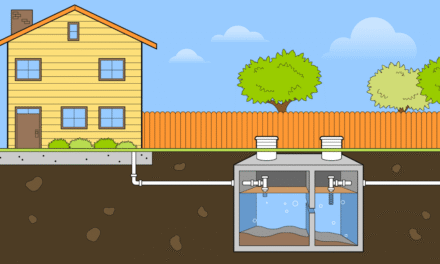
When considering a septic tank, understanding the costs involved is essential. The price can vary widely based on factors like tank size, material, and installation needs. You might find yourself facing a range from $3,000 to $15,000 for a complete system. But that’s just the beginning—there are additional expenses and long-term considerations to keep in mind. Let’s explore what influences these costs and how you can budget effectively.
Factors Influencing Septic Tank Costs
When considering the cost of a septic tank, several factors come into play that can greatly impact your overall investment.
First, the size of the tank is vital; larger tanks typically cost more.
Next, the type of soil on your property affects installation costs, as challenging soil conditions may require extra work.
Additionally, local regulations and permits can add to your expenses, as you’ll need to comply with specific codes.
Labor costs vary by region, influencing your total price.
Don’t forget about maintenance; regular pumping and inspections are essential for the tank’s longevity.
Finally, consider the location of the tank, as accessibility can complicate installation and increase labor costs.
Understanding these factors will help you budget effectively.
Types of Septic Tanks and Their Prices
Understanding the various types of septic tanks available can help you make informed decisions about your investment. The most common types include concrete, fiberglass, and plastic tanks.
Concrete tanks typically range from $1,000 to $3,000, offering durability and a long lifespan. Fiberglass tanks are lighter and resistant to corrosion, with prices between $1,200 and $2,500.
Plastic tanks are the most affordable option, usually costing between $800 and $1,500, but they may not be as durable as the others. Additionally, alternative systems like aerobic treatment units can range from $3,000 to $10,000, depending on the complexity.
Evaluate your needs and local regulations to choose the best option for your property.
Installation Costs for Septic Systems
Installing a septic system can cost anywhere from $3,000 to $15,000, depending on various factors such as the type of tank, soil conditions, and local regulations.
Here’s what you need to take into account when budgeting for installation:
- Tank Type: Different materials and designs can greatly affect the price.
- Soil Conditions: If your soil isn’t suitable, additional excavation or engineering may be necessary, increasing costs.
- Permits and Regulations: Local codes might require permits, inspections, or specific materials, adding to your overall expenses.
Understanding these factors can help you plan effectively and avoid surprises.
Investing in a proper installation guarantees your septic system operates efficiently and lasts longer.
Maintenance Expenses for Septic Tanks
Maintaining your septic tank is essential for its longevity and proper function, and the costs can vary considerably based on several factors.
Regular pumping is one of the main expenses, typically ranging from $200 to $500 every three to five years, depending on tank size and local rates.
You might also need to budget for inspections, which can cost around $100 to $300 annually.
Additionally, maintaining the drain field and keeping it clear of debris can help prevent costly issues down the line.
Avoid flushing non-biodegradable items or harsh chemicals, as these can disrupt the tank’s function and lead to expensive repairs.
Repair Costs and Common Issues
When you notice signs of trouble with your septic system, addressing potential repairs promptly can save you from more significant expenses later.
Common issues often arise, leading to repair costs that can add up quickly. Here are three key problems to watch for:
- Clogs: Blockages in pipes can cause backups, leading to emergency service calls and costly repairs.
- Leaking tanks: A damaged tank can contaminate groundwater, resulting in both repair expenses and potential fines.
- Drain field failure: A failing drain field may require expensive replacement, which can strain your budget.
Additional Costs to Consider
Repairing a septic system can lead to unexpected expenses beyond the initial costs.
For instance, you might need to pay for permits, which can range from $50 to several hundred dollars, depending on your area. If your tank needs pumping, factor in an additional $200 to $500 every few years.
Soil testing is another potential expense, especially if you’re facing failure; this can run between $150 and $500. Additionally, you’ll want to take into account landscaping costs if your system installation disrupts your yard.
If you need to repair or replace drain fields, be prepared for costs that can reach thousands. Always budget for these extras to avoid financial surprises down the line.
Cost-Saving Tips for Septic Systems
To keep your septic system running smoothly without breaking the bank, it’s essential to adopt some smart practices.
Here are three cost-saving tips you can implement:
- Regular Maintenance: Schedule routine inspections and pump your tank every 3-5 years to prevent costly repairs and prolong its lifespan.
- Water Conservation: Reduce water usage by fixing leaks, using water-efficient fixtures, and spreading out laundry loads. This minimizes the load on your septic system.
- Mind What You Flush: Avoid flushing non-biodegradable items and chemicals. This prevents clogs and protects your system from damage, saving you money in the long run.
Regional Price Variations
Understanding regional price variations is essential for homeowners planning to install or maintain a septic system. Prices can differ considerably based on your location due to labor costs, materials, and local regulations. Here’s a quick overview of average septic tank installation costs across various regions:
| Region | Average Cost | Factors Affecting Price |
|---|---|---|
| Northeast | $8,000 – $15,000 | High labor and material costs |
| Midwest | $4,500 – $10,000 | More affordable land and labor |
| South | $3,500 – $8,500 | Lower costs, but variable soil conditions |
| West | $6,000 – $12,000 | Diverse landscape and regulations |
Knowing these regional differences can help you budget effectively and avoid surprises during installation.
Long-Term Financial Considerations
While you might focus on the initial costs of installing a septic system, it’s essential to evaluate the long-term financial implications as well.
Over time, you’ll face various expenses that can impact your budget. Consider these factors:
- Maintenance Costs: Regular pumping and inspections are necessary to keep your system functioning efficiently, adding to your overall expenses.
- Repair Expenses: Septic systems can develop issues, leading to costly repairs that you may not anticipate.
- Property Value: A well-maintained septic system can enhance your property’s value, while neglect can lead to depreciation.